
Last Updated: November 1, 2026
Quick Summary
Nutrient absorption determines how much of your food actually supports muscle repair after training, not just how much you eat. Eating quality protein at each meal, pairing nutrients that work together, such as plant iron with vitamin C, and staying hydrated all help your body use what it takes in.
- Eat a palm-sized protein portion at each main meal rather than one large dose.
- Pair plant iron sources like lentils with vitamin C, such as a squeeze of lemon.
- Keep tea and coffee about an hour away from iron-rich meals to reduce tannin interference.
- Soak legumes and grains overnight to help reduce phytates that bind minerals.
- Drink water steadily through the day and replace fluids lost during sweaty sessions.
Table of Contents
- How Nutrient Absorption Shapes Muscle Repair After Training
- Step 1: Build Each Meal Around Quality Protein for Muscle Repair
- Step 2: Pair Nutrients That Work Together
- Step 3: Plan Practical Post-Workout Meal Ideas
- Step 4: Support Nutrient Transport With Hydration and Muscle Recovery
- Step 5: Improve Nutrient Absorption From Food Through Preparation
- Common Mistakes That Limit Recovery Nutrition
- Building Your Recovery Routine Starting Today
- Frequently Asked Questions
How Nutrient Absorption Shapes Muscle Repair After Training
Muscle repair depends on what your body can actually use, not just what you eat.
Training breaks down muscle fibers. Your body then rebuilds them using amino acids, energy stores and fluids.
Most people focus on how much they eat. Fewer think about how well their body handles it.
Dietary guidance on protein and recovery is widely available from sources such as the USDA MyPlate guidance on protein foods.
Step 1: Build Each Meal Around Quality Protein for Muscle Repair
Protein supplies the amino acids that repair muscle tissue. Eating a reasonable amount at each meal gives your body a steady supply rather than one large dose.
Good protein sources include:
- Eggs and Greek yogurt
- Lean chicken, turkey and fish
- Lentils, beans and tofu
Spreading protein across the day tends to work better than loading it into one meal. Aim for a palm-sized portion at each main meal.
Watch out: Very large protein servings can sit heavy and slow digestion for some people.
Step 2: Pair Nutrients That Work Together
Absorption is not a passive process. Minerals and vitamins cross the gut wall through specific transport pathways, and those pathways can be helped or blocked by whatever else is on the plate. This is the part of recovery nutrition most guides skip, and it is where a small change in meal composition can make a real difference to how much of a nutrient your body actually puts to use.
Pairings that help absorption
- Non-heme iron with vitamin C. Plant sources of iron, lentils, beans, spinach, fortified oats, contain iron in a form the body absorbs less efficiently than the heme iron in meat. Vitamin C can help the body absorb it. A squeeze of lemon on lentils, peppers in a bean chili, or a glass of orange juice with an oat breakfast are simple, evidence-aligned combinations.
- Heme iron with a little fat. Lean red meat, poultry and fish supply heme iron, which is absorbed well on its own. Pairing with a modest amount of fat, olive oil, avocado, nuts, supports the absorption of the fat-soluble vitamins A, D, E and K that often come along in the same meal.
- Fat-soluble vitamins with dietary fat. Vitamins A, D, E and K need fat to be absorbed (the NIH). Roasting vegetables in olive oil, dressing a spinach salad, or adding nuts to a yogurt bowl all improve uptake compared with eating those foods dry.
Pairings that compete
- Calcium and iron. Calcium and iron compete for some of the same absorption pathways. For a factual explanation of fulvic acid and the trace minerals found in shilajit, see fulvic acid and your body's mineral balance. If you rely on plant iron, keep calcium-rich foods and supplements a few hours away from your iron-heavy meals where practical. This matters most for people eating little or no meat.
- Phytates and minerals. Whole grains, legumes and nuts contain phytates, compounds that bind zinc, iron and calcium and reduce how much you absorb. Soaking, sprouting and fermenting reduce phytate content, more on that in the preparation section below.
- Tannins and iron. Tea and coffee contain tannins that can reduce iron absorption when drunk with a meal. Leaving a gap of an hour or so between a strong cup and an iron-rich meal is a low-effort habit.
A note on supplements
Food-first pairing is the foundation. Supplements can fill specific gaps, but they are not a shortcut around a poorly built plate, and some can interfere with medication or with each other. If you are considering an iron, zinc or multivitamin supplement, it is worth discussing timing and dose with a healthcare professional rather than stacking products on top of each other.
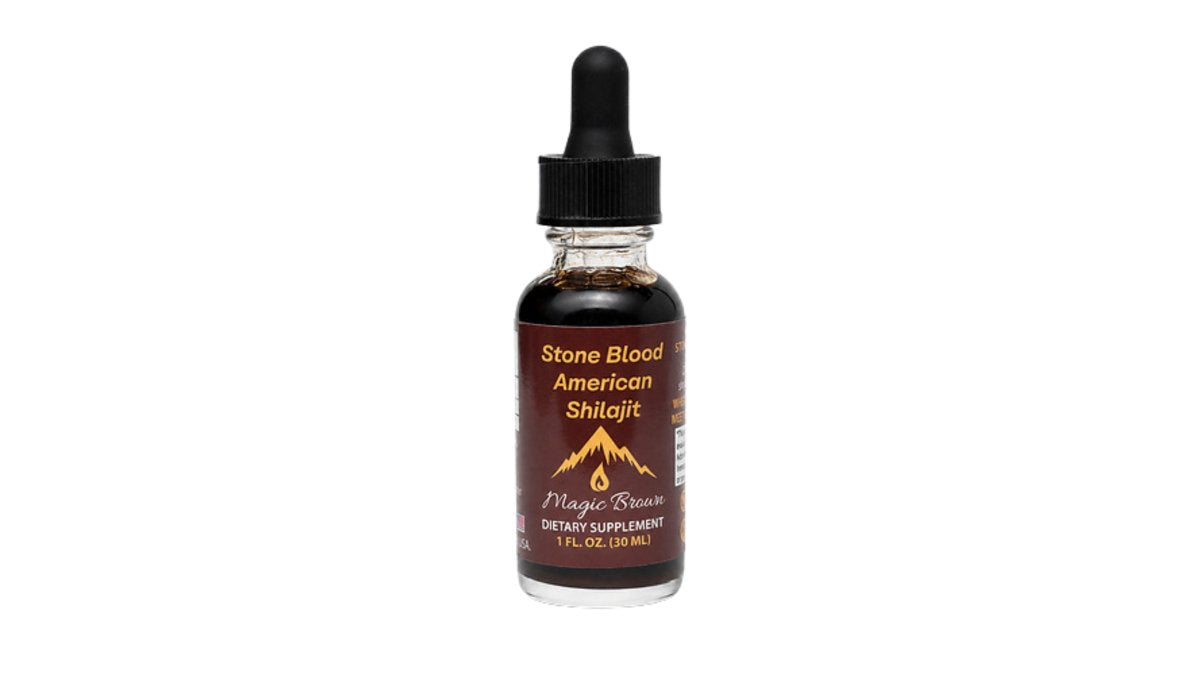
Stoneblood Shilajit drops are a liquid shilajit you can add to water, coffee, tea or food, one dropper (about 10 to 15 drops) daily, as directed on the label.
The table below sums up the nutrient pairings covered in this section, so you can scan which combinations help absorption and which compete.
| Pairing | Effect | Practical tip |
|---|---|---|
| Non-heme iron with vitamin C | Helps absorption | Add lemon to lentils or peppers to a bean chili |
| Heme iron with a little fat | Supports absorption | Pair lean meat or fish with olive oil or avocado |
| Vitamins A, D, E, K with dietary fat | Needed for absorption | Roast vegetables in olive oil or add nuts to yogurt |
| Protein with carbohydrate | Supports glycogen replenishment | Chicken and rice bowl or yogurt with fruit |
| Calcium and iron | Compete for absorption | Keep calcium foods a few hours from iron-heavy meals |
| Phytates in whole grains and legumes | Reduce zinc, iron, calcium uptake | Soak, sprout or ferment to reduce phytates |
| Tea or coffee tannins with iron | Reduce iron absorption | Leave about an hour between a strong cup and iron-rich meal |
Step 3: Plan Practical Post-Workout Meal Ideas
A post-workout meal does not need to be complicated. Aim for protein, carbohydrates and some fluid within a couple of hours after training.
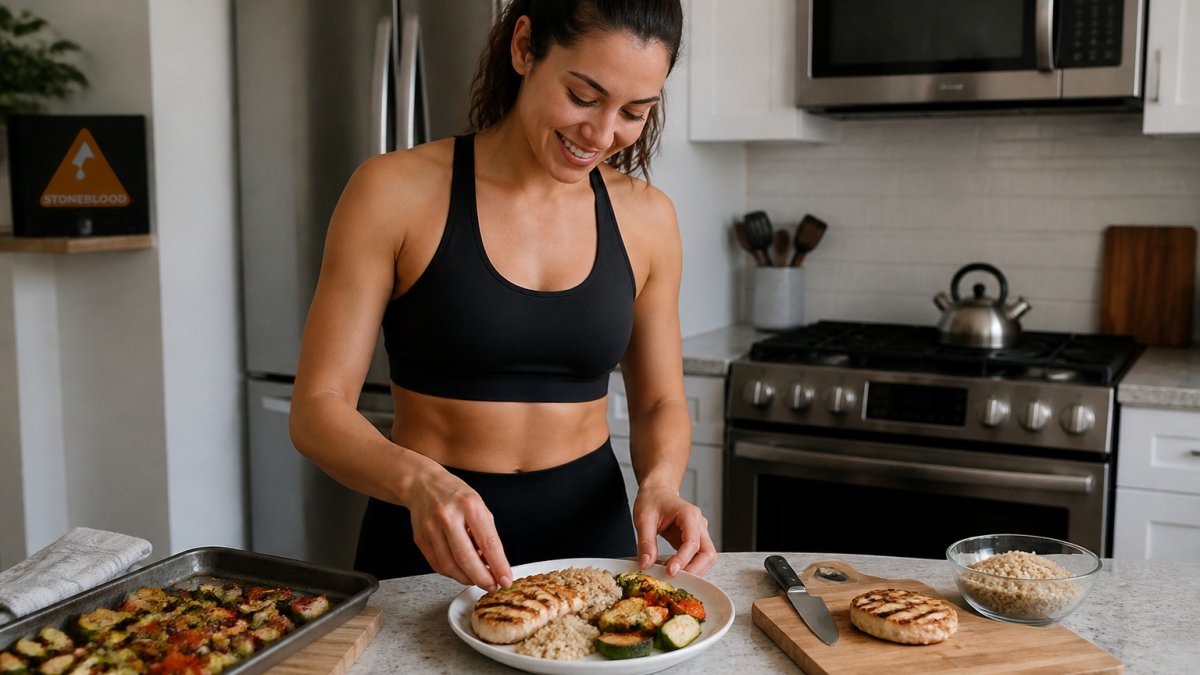
Simple ideas include:
- Grilled chicken, brown rice and roasted vegetables
- Salmon with sweet potato and a side of spinach
- Greek yogurt with berries, oats and a sprinkle of nuts
These meals are easy to repeat. Consistency usually matters more than finding the perfect plate.
Step 4: Support Nutrient Transport With Hydration and Muscle Recovery
Water carries nutrients through the blood and into tissues. For a wider look at recovery options alongside hydration, see natural supplements for muscle recovery.
Shilajit Liquid Drops – Stoneblood Original, 1 fl oz →
Practical habits include:
- Drink water steadily through the day, not just during training
- Replace fluids lost during long or sweaty sessions
- Include a pinch of salt or a source of potassium such as bananas when sweating heavily
For more on fluid needs during exercise, the CDC guidance on hydration and physical activity offers practical background.
Stoneblood Shilajit is a liquid shilajit that you can add to water, coffee, tea or food, one dropper (about 10 to 15 drops) daily, as directed on the label.
Step 5: Improve Nutrient Absorption From Food Through Preparation
How a food is cooked, soaked or combined can change how it is digested and how its nutrients are used. The goal is not to chase perfect preparation, it is to build a few habits that consistently make nutrients more available.
Preparation methods that improve availability
- Soak legumes and grains. Soaking beans, lentils, oats and rice for several hours before cooking can reduce phytates, the compounds that bind minerals. Rinse well afterward and cook in fresh water. Overnight soaking is the simplest version of this habit.
- Sprout and ferment where you can. Sprouting grains and legumes, and fermenting vegetables, can further reduce phytate content. A jar of sprouted lentils or a spoon of fermented cabbage alongside a meal is a low-effort addition.
- Steam or roast rather than boil to death. Long boiling leaches water-soluble vitamins such as C and several B vitamins into the cooking water. Light steaming, roasting and stir-frying preserve more of those nutrients. If you do boil, keep the cooking liquid for soups and stews.
Practical serving targets to aim for
Exact needs vary with body size, training load and individual health, so treat these as general reference points rather than prescriptions:
- Protein: a palm-sized portion at each main meal, roughly 20 to 30 grams for most adults, spread across three or four eating occasions rather than concentrated in one.
- Carbohydrate: enough to refill glycogen after training, a fist-sized portion of rice, potatoes or oats at meals around training is a reasonable starting point for many active adults.
- Fluids: steady intake through the day, with extra around long or sweaty sessions.
Adjusting for dietary patterns
Bioavailability advice is not one-size-fits-all. A few adjustments for common patterns:
- Vegetarian and vegan: plant iron and zinc are absorbed less efficiently, so pair iron-rich foods with vitamin C, soak and sprout legumes and grains, and consider whether fortified foods fit your routine.
- Dairy-free: calcium and vitamin D may need attention from fortified plant milks, leafy greens and other sources. Keep calcium-rich foods timed away from iron-heavy meals where practical.
- Higher-protein or lower-carbohydrate patterns: fiber and fluid intake deserve extra attention, since both support digestion and nutrient transport.
When to get professional input
If you eat well but still feel run down, or if you have a diagnosed digestive condition, a medication that affects absorption, or a restricted diet, lab testing and professional guidance can be more useful than guesswork.
Stoneblood Shilajit is a liquid shilajit refined into a water-soluble form that can be stirred into water, coffee, tea or food, one dropper (about 10 to 15 drops) daily, following the label. If you want to learn how quality and sourcing are handled, see our quality and safety page.
Common Mistakes That Limit Recovery Nutrition
A few habits can make it harder for your body to get the most from food:
- Skipping meals after training: Waiting too long can delay the start of repair.
- Relying on one large protein dose: Spreading intake usually works better for muscle protein use.
- Ignoring fluids: Staying hydrated supports how you feel during and after training.
- Eating too fast or too much at once: Heavy meals can cause discomfort and reduce how comfortable you feel.
Building Your Recovery Routine Starting Today
Start small. Choose one or two changes from this guide and practice them for a week.
Once those feel natural, layer in the rest. Track how you feel after training and notice which habits work for you.
If you want to add a simple daily habit, a dropper of Magic Brown, our double-strength liquid shilajit, can be mixed into water, coffee, tea or food, as directed on the label. Browse the full range at Magic Brown Liquid Shilajit Drops, or see the everyday option in the Shilajit Original Liquid Drops.


These statements have not been evaluated by the Food and Drug Administration. This product is not intended to diagnose, treat, cure, or prevent any disease.
Frequently Asked Questions
What nutrients support muscle repair after exercise?
Protein supplies the amino acids your body uses to rebuild muscle tissue, and carbohydrates help refill glycogen stores that training depletes. Minerals such as magnesium and iron, along with vitamin C, also play supporting roles in how the body uses these nutrients. A varied diet built on whole foods usually supplies these nutrients together.
How can I help my body absorb nutrients from food?
Pair foods thoughtfully, since some nutrients interact with each other. Vitamin C-rich foods can improve the absorption of plant-based iron, while very large amounts of calcium eaten at the same meal can compete with iron. Cooking vegetables lightly can make some nutrients more available, and eating meals at a relaxed pace supports digestion. Staying hydrated supports overall digestion.
Does pairing vitamin C with plant-based iron improve absorption?
Vitamin C is commonly cited as helping the body absorb non-heme iron, the type found in plant foods such as lentils, spinach and fortified cereals. Adding a source of vitamin C, such as bell peppers, citrus or tomatoes, to an iron-rich meal is a simple habit that many people find easy to maintain. Individual needs vary, so anyone with concerns about iron levels should speak with a healthcare professional.
Does protein timing matter for muscle recovery?
Total daily protein intake generally matters more than the exact minute you eat it. Spreading protein across several meals gives your body a steady supply of amino acids for repair. Eating a meal with protein after training is a reasonable habit, but the window is wider than many people assume. Focus first on consistent, adequate protein throughout the day.

Share:
How Do You Store Liquid Shilajit for Maximum Freshness?