Table of Contents
- What Ash Content Reveals About Pure Shilajit
- Understanding Fulvic Acid Content in Shilajit
- Standardized Ash Percentage Ranges for Mineral Resins
- Heavy Metal vs Mineral Ash: Why the Distinction Matters
- How to Test Shilajit Purity at Home and in a Lab
- Raw Resin vs Liquid Shilajit Drops: How Form Affects Ash
- Conclusion
- Frequently Asked Questions
Last Updated: October 4, 2026
What Ash Content Reveals About Pure Shilajit
Ash content shilajit is the mineral residue left after a sample is burned at high temperature, and it tells you how much of the material is actually mineral matter rather than organic compounds. For anyone asking what is the ash content of pure shilajit, the honest answer is that no single number defines purity. The ash value is a fingerprint, not a grade.
At Stoneblood Shilajit, we treat ash content as one data point among several. It matters most when it is read alongside moisture content, fulvic acid levels, and heavy metal screening. A number in isolation tells you very little.
Here is the part most guides skip: ash content cannot distinguish good minerals from bad ones. That distinction requires a separate test.
How the Ash Test Works
The procedure is straightforward. A technician weighs a sample, burns it in a furnace until only inorganic residue remains, then weighs the residue again. The percentage of the original mass that survives is the ash content.
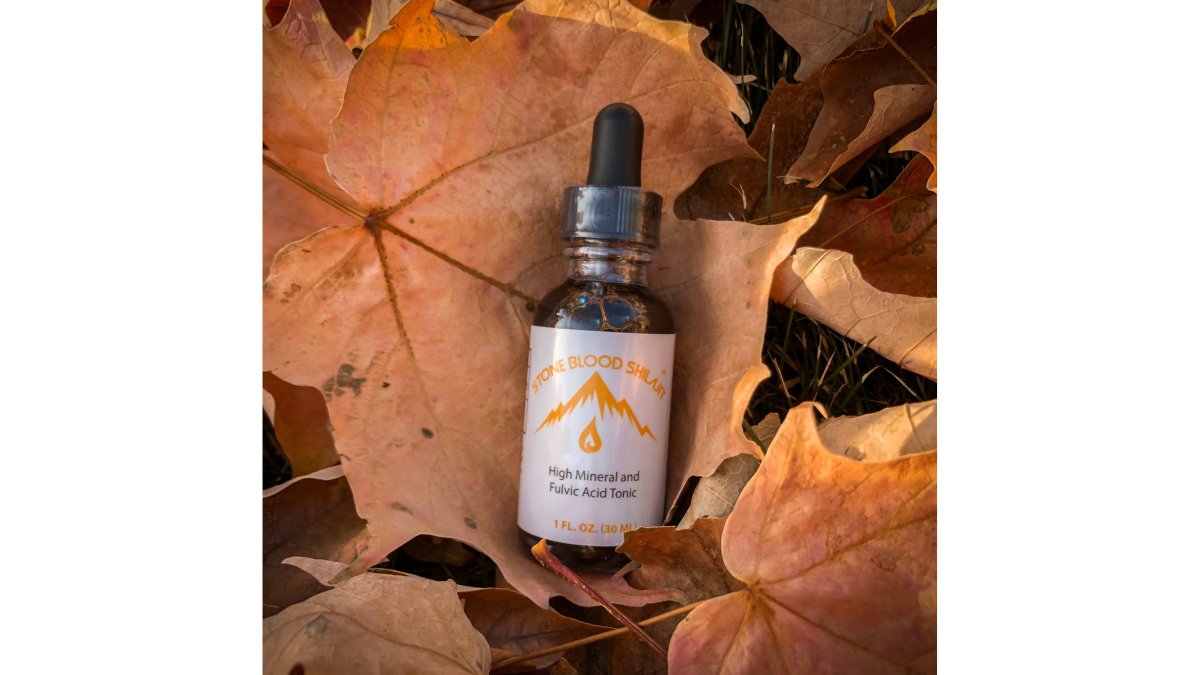
Two variables change the result: furnace temperature and burn duration. A sample asked to yield ash at 550°C will read differently than one burned at 800°C. This is why comparing ash figures across brands is unreliable unless both labs used the same protocol.

Understanding Fulvic Acid Content in Shilajit
Fulvic acid content in shilajit is the metric most buyers actually care about, and it is measured separately from ash. Fulvic acid is the organic, water-soluble fraction that gives shilajit much of its traditional reputation in Ayurveda. Ash is the inorganic remainder.
The two numbers move in opposite directions. A sample with very high ash has proportionally less organic material, including fulvic acid. A sample with almost no ash has been so thoroughly processed that it may have lost mineral content too.
A common mistake is assuming a high fulvic acid number automatically means a better product. Fulvic acid assays vary by lab, and some methods measure total humic substances rather than fulvic acid alone. Ask which method was used.
For a closer look at how we verify our own batches, see our quality and safety page.
Standardized Ash Percentage Ranges for Mineral Resins
There is no single legal standard for shilajit ash content in the United States, because shilajit is sold as a dietary supplement rather than a standardized drug. The FDA's dietary supplement guidance sets manufacturing and labeling rules, not compositional limits for ash.
That said, experienced labs and formulators tend to work within recognizable ranges. These are conventions drawn from how mineral-rich natural resins typically behave during thermal analysis, not regulations.
| Ash Range | What It Suggests | Typical Concern |
|---|---|---|
| Under 10% | Heavily processed, low mineral residue | May be diluted or over-refined |
| 10-30% | Balanced mineral and organic content | Generally considered typical |
| 30-50% | Mineral-dense, less organic fraction | Verify fulvic acid separately |
| Over 50% | Very high inorganic residue | Test for heavy metals and soil contamination |
What Drives the Number Up or Down
Ash content in a natural resin is a function of three things: the mineral load of the source material, the efficiency of the purification process, and the amount of extraneous soil or grit that survives filtration.
A resin harvested from rock crevices in mineral-rich terrain will naturally carry more inorganic content than one collected from decaying plant matter. That is not a defect, it is a reflection of where the material formed. But it also means that ash values vary by geography and harvest method, not just by processing quality.
Purification reduces ash by removing water-soluble organic compounds and filtering out particulate matter. A very low ash reading, under 10%, often means the material was processed so aggressively that much of its natural mineral content was stripped along with the contaminants. The goal is not zero ash; it is the right kind of ash.
Why Acid-Insoluble Ash Is the Better Safety Signal
Total ash tells you how much inorganic material is present. Acid-insoluble ash tells you how much of that material is likely to be silica-based grit from soil or rock.
A sample with 35% total ash and 2% acid-insoluble ash is mineral-dense but clean. A sample with 35% total ash and 15% acid-insoluble ash is mineral-dense and gritty, a sign that filtration was inadequate. The total ash number alone cannot make that distinction.
When you review a COA, look for both values if the lab reports them. If only total ash is listed, ask whether acid-insoluble ash was measured.
Heavy Metal vs Mineral Ash: Why the Distinction Matters
This is the gap most articles on shilajit ash content never address. Ash residue contains two very different categories of material: nutritionally relevant trace minerals, and toxic heavy metals like lead, arsenic, cadmium, and mercury.
Both end up in the ash. A sample can show a healthy-looking ash percentage and still carry unsafe levels of lead.
The EPA's heavy metals reference materials explain how these elements persist through heating and concentration. Burning a sample does not destroy them; it concentrates them.
This is why independent verification matters more than any single ash figure. A Certificate of Analysis that reports ash content without a heavy metal panel is incomplete for safety purposes.
Shilajit Original — Stoneblood →
The distinction also matters for mineral ash specifically. Iron, zinc, magnesium, and calcium are desirable. Arsenic and cadmium are not. The ash test cannot tell them apart, but ICP-MS screening can.
How to Test Shilajit Purity at Home and in a Lab
Home testing can catch obvious problems but cannot replace laboratory analysis. Here is what each approach actually delivers.
At-home checks:
- Dissolve a small amount in warm water and look for full solubility without gritty sediment
- Check the smell: genuine shilajit has an earthy, slightly smoky aroma, not a chemical one
- Observe texture when warm: real resin softens and becomes pliable
- Note the taste: a bitter, mineral-forward flavor is typical
Laboratory checks:
- Ash content by gravimetric analysis
- Moisture content by loss on drying
- Fulvic acid quantification by spectrophotometry
- Heavy metals by ICP-MS
- Microbial screening for pathogens
The home tests screen for adulteration and gross contamination. Only a lab can quantify ash or detect heavy metals at the parts-per-million level.
Reading a Certificate of Analysis
A COA is a laboratory report documenting test results for a specific batch. Three things make it trustworthy: the lab's accreditation, the batch or lot number it references, and the specific methods used.
Look for an ISO/IEC 17025 accreditation, which indicates the lab meets international testing standards. Check that the lot number on the COA matches the lot number on your bottle. If it does not, the report does not apply to your product.
A COA that lists ash content shilajit but omits heavy metals, moisture, or microbial results is only partially useful. Ask for the full panel.
Raw Resin vs Liquid Shilajit Drops: How Form Affects Ash
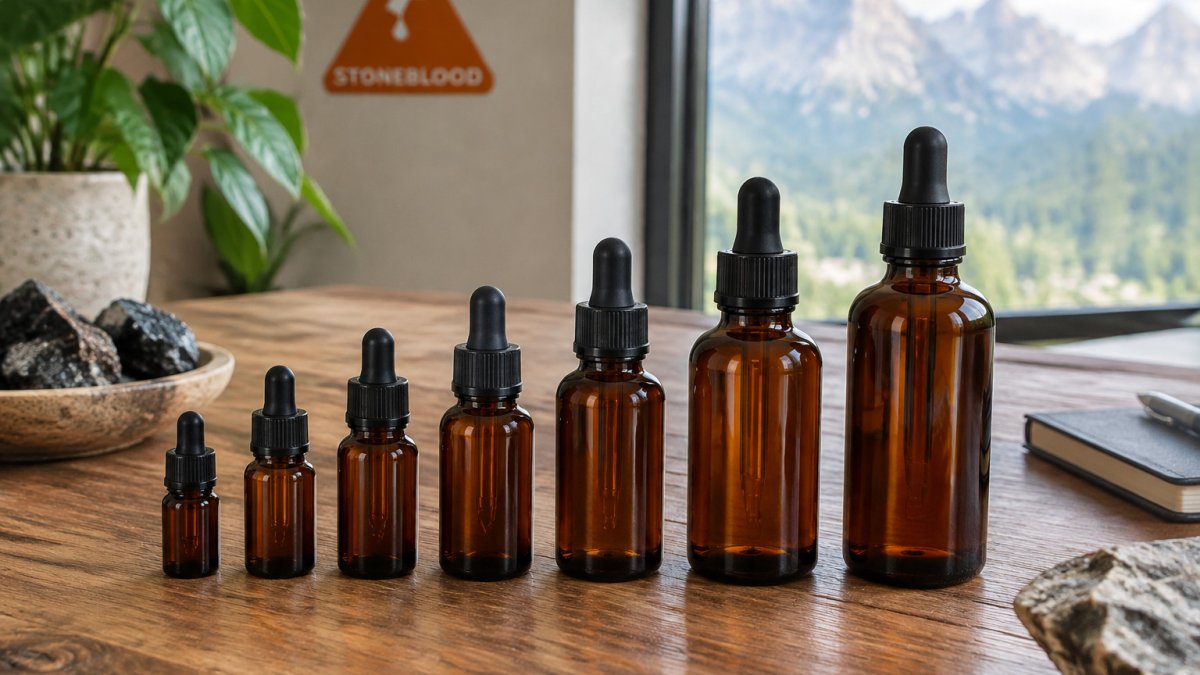
Form changes how you measure ash, not what the underlying material contains. Raw shilajit is a resin in nature: thick, tar-like, and difficult to dose consistently. Our products are refined into water-soluble liquid drops, which changes the handling but not the mineral profile of the source material.
A resin sample must be carefully homogenized before testing, because mineral content can settle unevenly. A liquid product disperses more evenly, which makes sampling more consistent from bottle to bottle.
Liquid drops also dissolve cleanly into water, coffee, tea, or food, which makes consistent daily use simpler. The label directions are 1 dropper, about 10 to 15 drops daily, taken in a drink or under the tongue.
If you want the strongest option we make, Magic Brown double-strength liquid shilajit is our flagship. For current options and prices, compare Stoneblood Original and Magic Brown.

Conclusion
Judging shilajit by ash content alone is like judging a wine by its alcohol percentage. The number is real, it is measurable, and it misses almost everything that matters. Ash tells you how much inorganic residue is present. It cannot tell you whether that residue is nourishing or harmful, and it says nothing about fulvic acid, moisture, or microbial safety.
The practical approach is to read ash alongside a full panel: heavy metals by ICP-MS, moisture content, fulvic acid quantification, and microbial screening, all tied to a lot number you can verify. That combination is what separates a documented product from a claim on a label.
We built Stoneblood around that idea. Our shilajit is wildcrafted in the Rocky Mountains, refined in distilled spring water into liquid drops, bottled in a cGMP-certified facility, and third-party tested batch by batch. Every bottle carries a lot number, and we will share the results for your batch on request. Get started with Stoneblood Shilajit and know exactly what is in your bottle.
Frequently Asked Questions
What does ash content indicate in shilajit?
Ash content measures the mineral residue left after burning a shilajit sample at high heat. It indicates how much inorganic mineral matter the product contains. Values significantly above or below what is considered typical for natural mineral resins may suggest adulteration or over-processing.
Is high ash content a sign of pure shilajit?
Not automatically. While pure shilajit does contain minerals that contribute to ash, an unusually high ash content could mean added fillers or contaminants. The key is balance. Look for ash within recognizable ranges and pair it with a certificate of analysis showing safe heavy metal levels and meaningful fulvic acid content.
How can you verify the quality of liquid shilajit?
Check for a batch-specific certificate of analysis (COA) from an accredited lab. The COA should list ash content, fulvic acid, heavy metals, and microbial results. Also look for lot numbers on the bottle and a brand that shares test results openly. Stoneblood publishes its testing through third-party labs and provides lot-coded traceability.
What is the difference between raw resin and liquid shilajit?
Raw resin is the thick, tar-like substance harvested from rock. Liquid shilajit is made by dissolving and refining that resin in water, which makes it easier to measure and mix into drinks. The ash content reflects the same mineral base, but liquid forms are typically standardized for consistent serving size and solubility.
These statements have not been evaluated by the Food and Drug Administration. This product is not intended to diagnose, treat, cure, or prevent any disease. Consult a healthcare professional before starting any supplement, especially if you are pregnant, nursing, taking medication or managing a health condition.

Share:
Top 5 Herbal Tonics for Natural Energy and Focus
Vital Herbs Shilajit Review: What Buyers Should Know