

Table of Contents
- Why Sports Nutrition Focus and Creativity Matter
- Foods for Focus During Exercise
- Hydration and Athletic Concentration
- Pre-Workout Nutrition for Mental Clarity
- Nutrition for Cognitive Performance in Athletes
- Where Shilajit Drops Fit in a Focus-First Routine
- Common Mistakes That Undermine Sports Nutrition Focus
- Conclusion
- Frequently Asked Questions
Last Updated: October 19, 2026
Why Sports Nutrition Focus and Creativity Matter
Improved focus and creativity for sports nutrition is the practice of eating, drinking and timing nutrients so your brain stays sharp while your body works. It matters because a tired mind ruins good training faster than tired legs do.
At Stoneblood Shilajit, we hear from athletes and martial artists who can push through a hard session but cannot hold a clean thought in the final round. Physical fuel gets all the attention. Mental fuel gets almost none.
Below, we break down the foods, fluids and habits that keep your head in the game, plus where our liquid drops fit into a focus-first routine.
Foods for Focus During Exercise
The best foods for focus during exercise are small, slow-release portions of carbohydrate paired with a little protein or fat. They steady your supply of energy without weighing you down.
Think of it this way: your brain runs on glucose, and it runs poorly on a glucose rollercoaster. Big sugary hits spike you, then drop you.
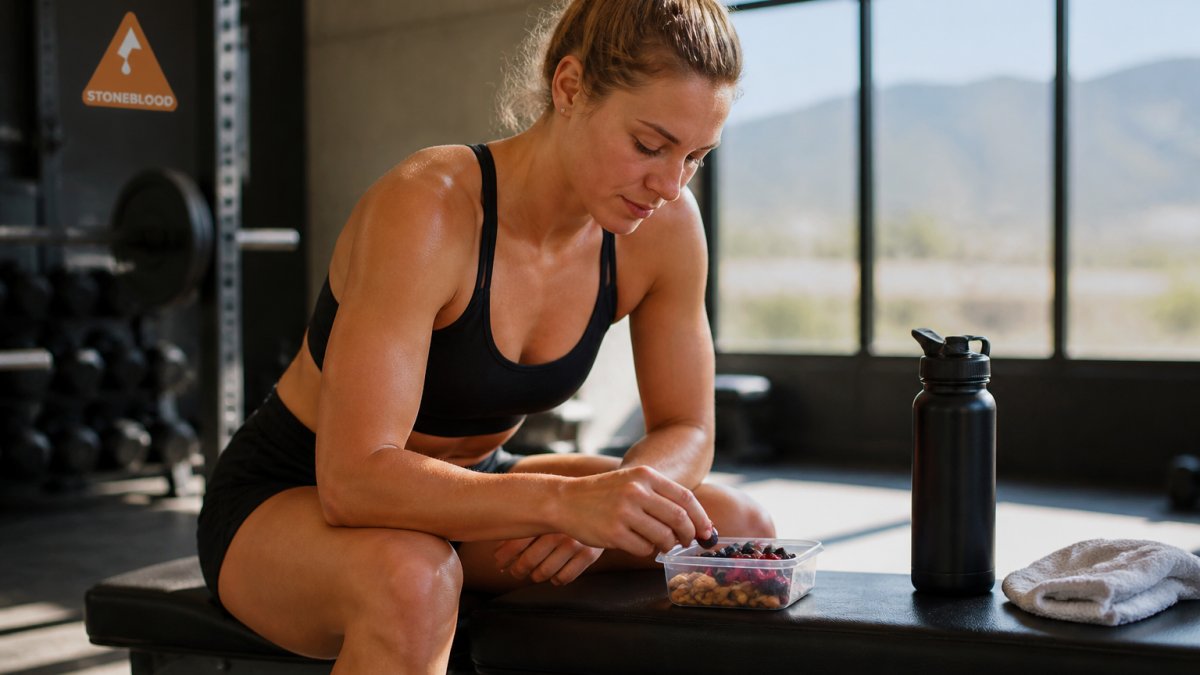
Good options between sets or mid-session:
- A handful of berries and almonds
- Half a banana with a spoon of nut butter
- A few dates with a pinch of salt
- Plain yogurt with a drizzle of honey
- A small piece of dark chocolate
What most guides miss is portion size. A snack the size of your palm keeps you sharp. A full meal mid-session sends blood to your gut and your head goes quiet.
Hydration and Athletic Concentration
Hydration and athletic concentration are directly linked: even mild fluid loss tends to show up first as slower reactions and muddier decisions. Thirst is a late signal, not an early one.
The American College of Sports Medicine position stands have long noted that dehydration raises perceived effort and hurts both physical and mental performance.
In practice, this means sipping steadily rather than chugging once. A bottle you touch every ten minutes beats a bottle you drain at the end.
Watch for these early signs:
- A task that felt easy now feels like a puzzle
- You reread the same cue in your head
- Your mood turns flat or irritable
- Your mouth is dry before you notice thirst
Water is the baseline. For sessions past an hour, an electrolyte drink helps you hold onto the fluid you take in.
Pre-Workout Nutrition for Mental Clarity
Pre-workout nutrition for mental clarity comes down to timing and composition. Eat a mixed meal two to three hours out, then a light snack closer to the start.
What to Eat in the 90 Minutes Before Training
Keep it simple and low in heavy fat and fiber. The goal is steady fuel, not a full stomach.
- Oatmeal with a spoon of honey
- Toast with a thin layer of nut butter
- A banana and a small coffee
- Rice cakes with a slice of turkey
- A smoothie with fruit and yogurt
Caffeine deserves a mention. A modest coffee about 45 minutes before training is a familiar tool for sharper attention, and it works best when you are already rested and hydrated.
What to Skip to Avoid a Mid-Session Slump
Skip the heavy fried meal, the giant sugary drink and the unfamiliar energy product you have never tried before a big session.
- Fried or very fatty food sits heavy and pulls blood to your gut
- Large sugary drinks spike you, then drop you
- New supplements on game day are a gamble you do not need
- Alcohol the night before flattens focus the next day
Nutrition for Cognitive Performance in Athletes
Nutrition for cognitive performance in athletes is about consistency across the whole day, not one magic meal. The brain is a steady customer: it wants regular fuel, stable fluids and enough sleep to use both well. Achieving this metabolic equilibrium often requires the precision of personalized nutrition plans to align specific intake patterns with the unique demands of an athlete's training cycle.
A common mistake is treating mental sharpness as a separate project from training fuel. They are the same project.
Build your day around these habits:
- Eat a real breakfast with protein and slow carbs
- Keep water within reach all day, not just at training
- Add colorful produce for a broad spread of nutrients
- Include healthy fats from nuts, seeds, olive oil and fish
- Time your largest meal away from hard sessions
Sleep is the other half of the equation. No snack fixes a short night, and no supplement replaces it. Treat rest as part of your nutrition plan.
Where Shilajit Drops Fit in a Focus-First Routine
Shilajit is a mineral-rich resin used for centuries in Ayurveda, traditionally taken to support everyday energy and vitality. Stoneblood Shilajit refines wildcrafted North American resin into water-soluble liquid drops, so you can add it to a drink without the sticky handling of raw resin.
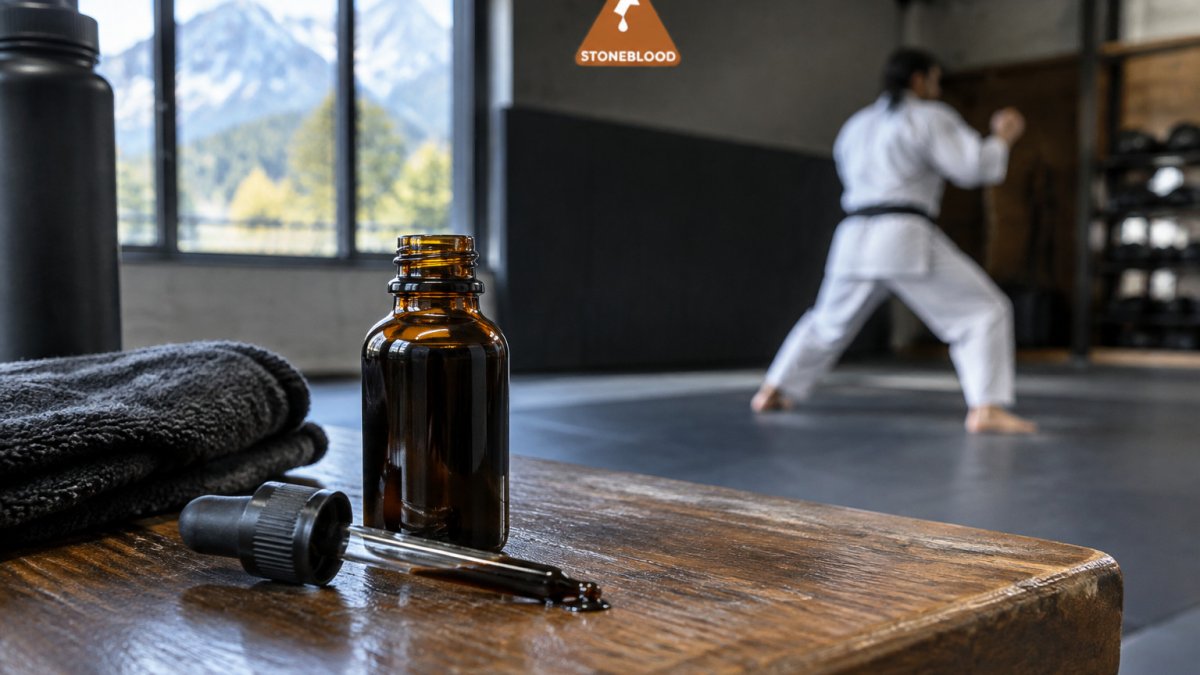
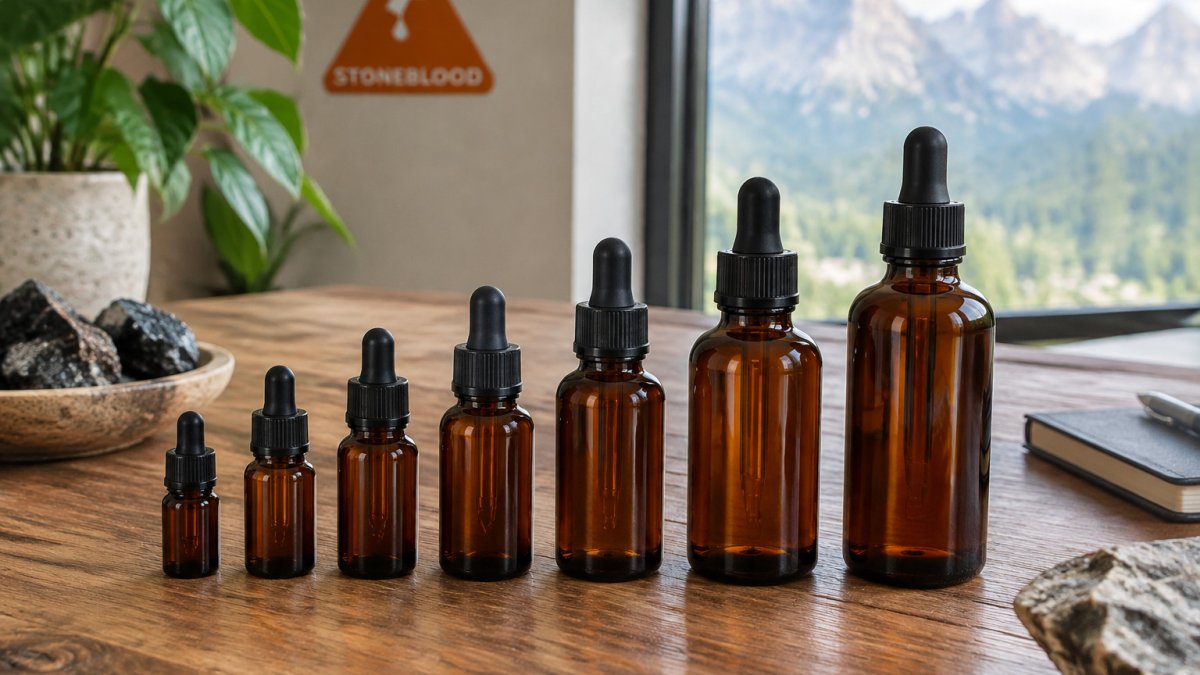
Our flagship is Magic Brown, our double-strength liquid shilajit. It comes in a 1 fl oz (30 ml) dropper bottle and mixes cleanly into water, coffee or tea.
How we suggest using it, straight from the label: one dropper, about 10 to 15 drops, daily in water, coffee, tea or food, or under the tongue.
A few honest notes:
- Shilajit is not a stimulant and will not feel like a jolt of caffeine
- It is traditionally used for steady energy, not a quick spike
- Our drops are a daily habit, not a pre-workout switch
- Quality and sourcing matter more than clever marketing
If you want the detail on how we test and bottle, see our quality and safety page. For a lighter starting point, Shilajit Original is our standard-strength liquid.
Common Mistakes That Undermine Sports Nutrition Focus
The biggest mistake is chasing a single fix. Focus comes from the whole pattern: food, fluid, sleep and timing together.
Here is what we see go wrong most often, and what to do instead:
| Mistake | What It Costs You | The Fix |
|---|---|---|
| Skipping breakfast before training | Foggy start, low drive | Small meal with protein and slow carbs |
| Drinking only when thirsty | Slower reactions, higher perceived effort | Sip every 10 to 15 minutes |
| Heavy meal close to training | Sluggish, sleepy feeling | Eat 2 to 3 hours out, snack light |
| New products on game day | Unpredictable reactions | Test everything in training first |
| Relying on caffeine alone | Spikes, then crashes | Pair modest caffeine with real food |
| Ignoring sleep | No snack can fix it | Protect your rest like a workout |
A second common error is overcomplicating the plan. Simple, repeatable habits beat a perfect plan you cannot follow.
Conclusion
Staying sharp under effort is a skill you can feed, and it starts with steady fuel, steady fluids and honest rest. If you want a simple daily addition to that routine, our liquid shilajit drops are made for exactly that kind of consistency. For current options and prices, compare Stoneblood Original and Magic Brown.
These statements have not been evaluated by the Food and Drug Administration. This product is not intended to diagnose, treat, cure, or prevent any disease. Consult a healthcare professional before starting any supplement, especially if you are pregnant, nursing, taking medication or managing a health condition.
Frequently Asked Questions
How can nutrition support focus during exercise?
Steady fuel matters more than any single food. A small pre-session meal built on slow carbohydrates and a little protein keeps blood sugar level, which helps you stay mentally present through the middle and end of training. Pair that with consistent hydration, since even mild fluid loss can make concentration feel harder. Athletes who eat at regular intervals and avoid heavy, high-fat meals right before training tend to report steadier attention. Keep a simple log for two weeks to see which combinations work for your body.
What foods can help athletes stay mentally alert?
Whole foods that combine carbohydrates with protein are the practical choice: oats with yogurt, a banana with nut butter, rice with eggs, or a small bowl of berries and almonds. These give the brain a steady glucose supply without the crash that follows sugary snacks. Some athletes also include traditional mineral-rich supplements, and Stoneblood liquid shilajit drops can be added to water, coffee, tea or food according to the label directions. Test any new food or supplement on a training day, not on competition day.
How does hydration affect concentration during training?
Fluid loss pulls attention toward thirst and physical discomfort, which competes with the focus you want on technique or strategy. Drinking water at regular intervals before and during sessions supports hydration and athletic concentration. For sessions lasting under an hour, plain water is usually enough. Longer or hotter sessions may call for electrolytes. A simple check is urine color: pale yellow suggests reasonable hydration, while darker color is a cue to drink more before your next session.
What should athletes eat before a workout to support focus?
Aim for a small, easy-to-digest meal about 90 minutes before training: a banana with a spoon of nut butter, oatmeal with a little honey, or rice with a modest portion of lean protein. The goal is steady carbohydrate fuel without heaviness. Very large or very fatty meals close to training can leave you sluggish. If you train early in the morning, a light snack 30 to 45 minutes out often works better than nothing. Experiment on low-stakes days to find your own timing.

Share:
How to Identify High Quality Shilajit Resin: 7 Checks
Shilajit for Athletes: Recovery and Performance