
5 Best Natural Supplements for Muscle Recovery

Table of Contents
- How These 5 Natural Supplements for Muscle Recovery Were Selected
- 1. Stoneblood Shilajit: Fulvic Acid and Trace Minerals for Cellular Repair
- 2. Magnesium Glycinate: Muscle Relaxation and Electrolyte Balance
- 3. Vitamin D3: Bone Health and Muscle Force Recovery
- 4. Omega-3 Fatty Acids: Reducing Inflammation and DOMS
- 5. Creatine Monohydrate: Strength, Power, and Recovery Kinetics
- How to Reduce Delayed Onset Muscle Soreness Naturally
- Dosage Timing, Bioavailability, and Safety: What Most Guides Miss
- Frequently Asked Questions
Last Updated: September 12, 2026
How These 5 Natural Supplements for Muscle Recovery Were Selected
The best natural supplements for muscle recovery are chosen for evidence, bioavailability, and how well they work alongside real food, not marketing claims. This guide from Stoneblood Shilajit evaluates each option on four criteria: whether the nutrient has a recognized role in tissue repair or muscle function, how well the body absorbs it, whether it fits a food-first approach, and how transparent the sourcing is.

The five picks below cover distinct recovery pathways: cellular mineral transport, muscle relaxation, bone and muscle force, inflammation control, and strength output. Natural supplements for muscle recovery work best as a supporting layer, not a replacement for protein, sleep, and hydration.
A common mistake is treating recovery as one problem with one fix. It isn't. Muscle protein synthesis, electrolyte balance, and inflammation each respond to different inputs, which is why the picks below don't overlap.
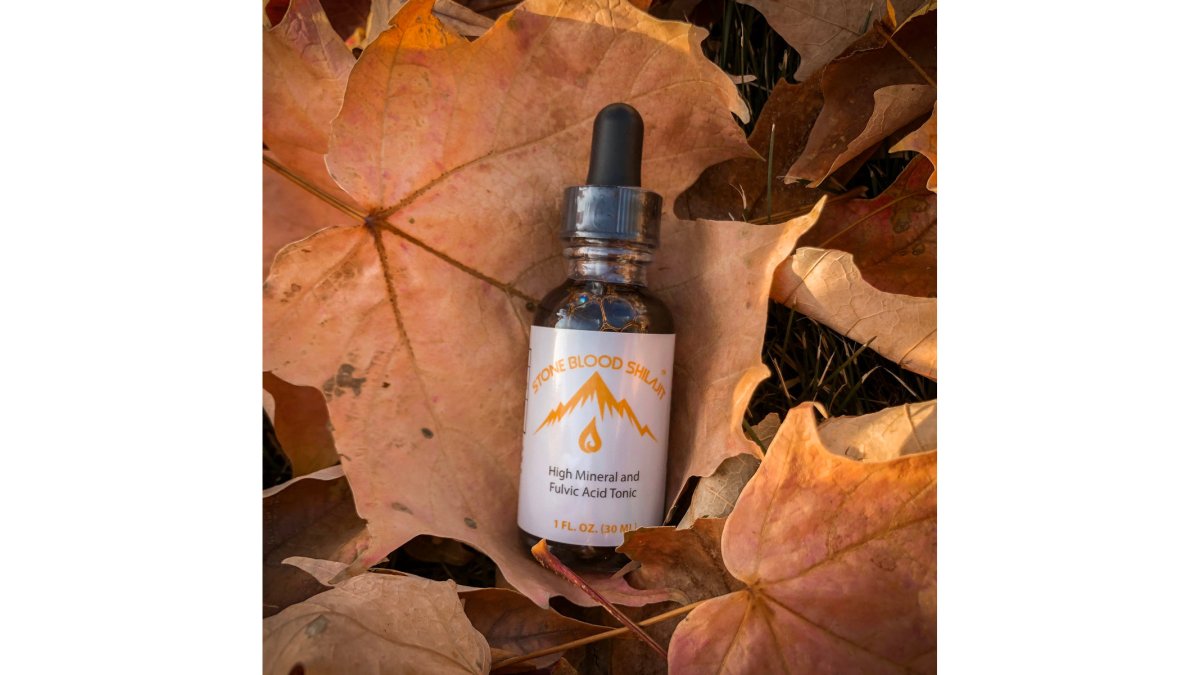
1. Stoneblood Shilajit: Fulvic Acid and Trace Minerals for Cellular Repair
Stoneblood Shilajit is our top pick because it addresses the mineral transport problem most recovery stacks ignore. This wildcrafted North American resin is hand-harvested in the Rocky Mountains and refined in distilled spring water, delivering fulvic acid alongside more than 85 trace minerals in ionic form.

The brand's Magic Brown Stoneblood Shilajit (Double Strength) is the strongest option at $63.00, while the standard Stoneblood Shilajit and Stoneblood American Shilajit - Magic Brown both start at $33.00. A three-bottle bundle runs $87.00 for anyone committing to a longer protocol.

Benefits of Fulvic Acid for Athletes
Fulvic acid is the delivery mechanism, not the mineral itself. It helps move minerals across cell membranes so the body can actually use them, which matters after exercise when cells are rebuilding. Many athletes take mineral supplements that never reach the tissue because absorption stalls at the cell wall.
Trace Minerals for Muscle Function
Magnesium, zinc, potassium, and dozens of other trace minerals act as catalysts in muscle contraction, nerve signaling, and tissue remodeling. A micronutrient deficiency can slow post-exercise recovery even when training and diet look solid. Stoneblood Shilajit is bottled in a cGMP-certified facility and third-party tested for heavy metals and microbials.
2. Magnesium Glycinate: Muscle Relaxation and Electrolyte Balance
Magnesium glycinate is the best-absorbed magnesium form for most people, and it's the one I'd recommend first for muscle soreness and cramping. Magnesium supports muscle relaxation, electrolyte balance, and hundreds of enzymatic reactions tied to energy production, including the ATP reactions your muscles run on during and after training.
The glycine bound to it is an amino acid that supports calm and sleep quality, which is when most tissue repair happens. Take it in the evening. Magnesium oxide, the cheap form on most drugstore shelves, is poorly absorbed and mostly acts as a laxative, which is why it's better suited to occasional constipation than to recovery.
How Much Magnesium You Actually Need
The Recommended Dietary Allowance for adults is roughly 310 to 320 milligrams per day for women and 400 to 420 milligrams per day for men, with higher needs during pregnancy and lactation (ods.od.nih.gov). Most people fall short of that through diet alone, and hard training increases losses through sweat.
Supplement labels are tricky here. A capsule listed as "magnesium glycinate 500 mg" usually delivers far less elemental magnesium, because the glycine chelate adds molecular weight. Check the supplement facts panel for elemental magnesium, not the total compound weight. A typical recovery-oriented dose is 200 to 400 milligrams of elemental magnesium in the evening, though some people find higher doses loosen stools.
Choosing Between Forms
| Form | Absorption | Best For |
|---|---|---|
| Glycinate | High | Sleep, muscle relaxation, general recovery |
| Citrate | Moderate to high | Constipation, general use |
| Malate | Moderate | Daytime use, muscle soreness |
| Oxide | Low | Occasional constipation only |
| Threonate | High (brain) | Cognitive support, not muscle recovery |
Glycinate and malate are the two forms most often recommended for athletes. Citrate is a reasonable middle ground if glycinate is hard to find or too expensive. Oxide is the one to skip for recovery purposes.
Timing and Interactions
Take magnesium with food to reduce the chance of stomach upset, and separate it from high-dose zinc and calcium supplements by a couple of hours, since they compete for some of the same absorption pathways. If you take thyroid medication, separate magnesium by at least four hours, because it can reduce absorption of levothyroxine (ods.od.nih.gov).
Food-First Sources
Leafy greens, pumpkin seeds, almonds, cashews, black beans, and edamame are all strong dietary sources. A cup of cooked spinach delivers roughly 150 milligrams, and an ounce of pumpkin seeds delivers about 150 milligrams as well (ods.od.nih.gov). If you eat a varied diet with plenty of plants, you may only need a small evening dose to close the gap rather than a full 400-milligram capsule.
For non-athletes, the signal that magnesium is working isn't dramatic. It's falling asleep faster, waking up less, and noticing fewer of those twitchy, restless sensations in the legs after a long day on your feet.
3. Vitamin D3: Bone Health and Muscle Force Recovery
Vitamin D3 supports calcium regulation, bone density, and muscle force production, and deficiency is common among people who train indoors. Low vitamin D status is linked to slower muscle force recovery and higher injury risk, which makes it a foundation nutrient rather than an optional add-on.
Pair D3 with vitamin K2 and a fat source, since it's fat-soluble. Morning or midday dosing fits most routines. Anyone training seriously should test their levels rather than guess, because the right dose depends entirely on where you start.
4. Omega-3 Fatty Acids: Reducing Inflammation and DOMS
Omega-3 fatty acids from fish oil or algae oil help moderate the inflammatory response that follows hard training. That matters for delayed onset muscle soreness, or DOMS, which peaks in the day or two after unfamiliar or intense work.
The anti-inflammatory properties of EPA and DHA don't blunt adaptation the way high-dose NSAIDs can. Look for a product with a clear EPA-to-DHA ratio on the label and take it with a meal. Vegans can use algae-based versions without losing the benefit.
5. Creatine Monohydrate: Strength, Power, and Recovery Kinetics
Creatine monohydrate remains the most studied supplement in sports nutrition, and it belongs in any serious recovery conversation. It supports strength, power output, and recovery kinetics by helping restore phosphocreatine stores between efforts, which is the energy system your muscles lean on during short, hard bursts like a heavy set, a sprint, or a jump.
The monohydrate form is the only one worth buying. Skip the expensive blends, the HCl versions, and the buffered powders. A daily dose works whether or not you time it around training, since the effect comes from saturation over weeks, not a single serving. It's also one of the cheapest options on this list, which is rare for something this effective.
How Much Creatine to Take
Two protocols dominate the research. The first is a loading phase of roughly 20 grams per day split into four 5-gram servings for five to seven days, followed by a maintenance dose of 3 to 5 grams per day. The second skips loading entirely and simply takes 3 to 5 grams daily, which reaches the same muscle saturation in about three to four weeks. Most people who don't have a competition on the calendar are fine with the slower route.
Creatine is osmotically active, meaning it pulls water into muscle cells. That's part of why it works, and it's also why some users see a few pounds of scale weight in the first week or two. That weight is intracellular water, not fat, and it typically levels off. If you're in a weight-class sport, plan your start date accordingly.
Form, Timing, and What to Avoid
Creatine dissolves poorly in cold water, so stir it into warm liquid or a shake and drink it promptly. Taking it with a carbohydrate-containing meal may modestly improve uptake because insulin helps shuttle creatine into muscle, but the difference is small enough that consistency matters far more than timing.
Buy from a brand that uses Creapure or another third-party-verified raw material, and look for a certificate of analysis. Creatine is inexpensive to produce, which means the market is full of underdosed or adulterated powders. A simple micronized monohydrate powder with no flavoring is the safest bet.
Food Sources and the Food-First Reality
Red meat and herring are the richest dietary sources, with roughly 1 to 2 grams of creatine per pound of raw beef or herring. That means you'd need to eat about two pounds of beef daily to match a 3-to-5-gram maintenance dose, which is why creatine is one of the few nutrients where supplementation genuinely outperforms food for most people. Vegetarians and vegans tend to have lower baseline muscle creatine stores, so they often respond more noticeably to supplementation than omnivores do.
| Supplement | Primary Recovery Role | Best Time to Take | Typical Form |
|---|---|---|---|
| Stoneblood Shilajit | Mineral transport, cellular repair | Morning | Resin or dropper |
| Magnesium glycinate | Muscle relaxation, electrolyte balance | Evening | Capsule |
| Vitamin D3 | Bone and muscle force recovery | With a fatty meal | Softgel |
| Omega-3 fatty acids | Inflammation and DOMS reduction | With a meal | Capsule or oil |
| Creatine monohydrate | Strength and recovery kinetics | Any time, daily | Powder |
How to Reduce Delayed Onset Muscle Soreness Naturally
Reducing delayed onset muscle soreness naturally comes down to three levers: controlling inflammation, restoring electrolytes, and giving tissue time to repair. Supplements help, but they work only when the basics are handled.
- Hydrate with electrolytes, not plain water alone, after long or hot sessions
- Get 7 to 9 hours of sleep, since most tissue repair happens overnight
- Eat protein within a few hours of training to support muscle protein synthesis
- Use omega-3s and magnesium consistently rather than only on sore days
- Move lightly on rest days to support blood flow and recovery
- Avoid stacking high-dose anti-inflammatories, which can interfere with adaptation
What most guides miss is that soreness and recovery aren't the same thing. You can be sore and recovering well, or feel fine and be under-recovered. Track sleep, resting heart rate, and how strong you feel, not just how much your legs ache.
Dosage Timing, Bioavailability, and Safety: What Most Guides Miss
Dosage timing and bioavailability decide whether a supplement does anything at all. Fat-soluble nutrients like vitamin D3 and omega-3s need to be taken with food. Magnesium absorbs better in glycinate form than oxide. Creatine works through saturation, so consistency beats timing.
Contraindications matter too. Anyone on blood thinners should talk to a physician before adding fish oil. Magnesium can interact with certain antibiotics and diuretics. Shilajit is a mineral-dense resin, so quality testing is non-negotiable, which is why I'd only buy from a source that publishes third-party heavy metal results and bottles in a certified facility.
Budget-friendly food alternatives cover a lot of the same ground: fatty fish for omega-3s, leafy greens and pumpkin seeds for magnesium, eggs and fortified dairy for vitamin D, and red meat or herring for creatine. Supplements fill gaps. They don't replace the plate.
For non-athletes, recovery metrics look different. Watch energy through the afternoon, how well you sleep, and whether everyday movement feels easier over weeks, not days. Those signals tell you more than soreness ever will.
Frequently Asked Questions
What are the best supplements to help with muscle recovery?
Research points to five standouts: shilajit for fulvic acid and trace minerals, magnesium glycinate for muscle relaxation, vitamin D3 for bone and muscle function, omega-3 fatty acids for inflammation, and creatine monohydrate for strength recovery. Each works through a different pathway, so stacking them covers more of the recovery process than any single option.
How do trace minerals support muscle repair after exercise?
Trace minerals like zinc, copper, and manganese act as cofactors for enzymes involved in tissue repair and cellular regeneration. They also support electrolyte balance, which affects hydration status and muscle function. A deficiency can slow recovery kinetics, making it harder to return to full performance after intense training.
What is the role of fulvic acid in post-workout recovery?
Fulvic acid helps transport minerals into cells, improving bioavailability of nutrients needed for muscle protein synthesis and tissue remodeling. It also supports the body's response to oxidative stress, which rises after hard exercise. Athletes using fulvic acid often report faster fatigue reduction and better post-exercise recovery.
Are natural supplements effective for reducing muscle soreness?
Yes, several natural options have evidence behind them. Omega-3s can lower inflammation and reduce delayed onset muscle soreness. Magnesium supports muscle relaxation, and shilajit's trace minerals aid cellular repair. Results vary by individual, but consistent use over weeks tends to produce the most noticeable improvements in soreness and recovery.
How long does it take for muscle recovery supplements to work?
Timelines differ by supplement. Creatine can improve recovery within days, while omega-3s and magnesium may take two to four weeks to show effects on soreness and muscle function. Shilajit users often notice energy and recovery benefits within the first week. Consistency matters more than any single dose.
Recovery is a system, and most people try to fix it with a single pill. Stoneblood Shilajit approaches it from the mineral side, with wildcrafted North American resin, fulvic acid, and over 85 trace minerals in a third-party tested, cGMP-certified product. If you want to support cellular repair, energy, and endurance from the ground up, get started with Stoneblood Shilajit and build your recovery stack on a mineral foundation that actually reaches your cells.