
Table of Contents
- Is Shilajit Good for Kidneys? What the Evidence Actually Shows
- Shilajit and Creatinine: Can It Affect Kidney Blood Tests?
- Shilajit Kidney Safety: Who Should Be Cautious
- Shilajit Quality and Purity: Why Sourcing Changes the Risk Profile
- Fulvic Acid, Humic Acid, and the Antioxidant Question
- Pros and Cons of Taking Shilajit When You Care About Kidney Health
- A Decision Pathway: Starting, Pausing, or Stopping Shilajit
- Conclusion: An Honest Answer to a Complicated Question
- Frequently Asked Questions
Last Updated: October 7, 2026
Is Shilajit Good for Kidneys? What the Evidence Actually Shows
Is shilajit good for kidneys? The honest answer is that we do not know yet, and anyone who tells you otherwise is guessing.
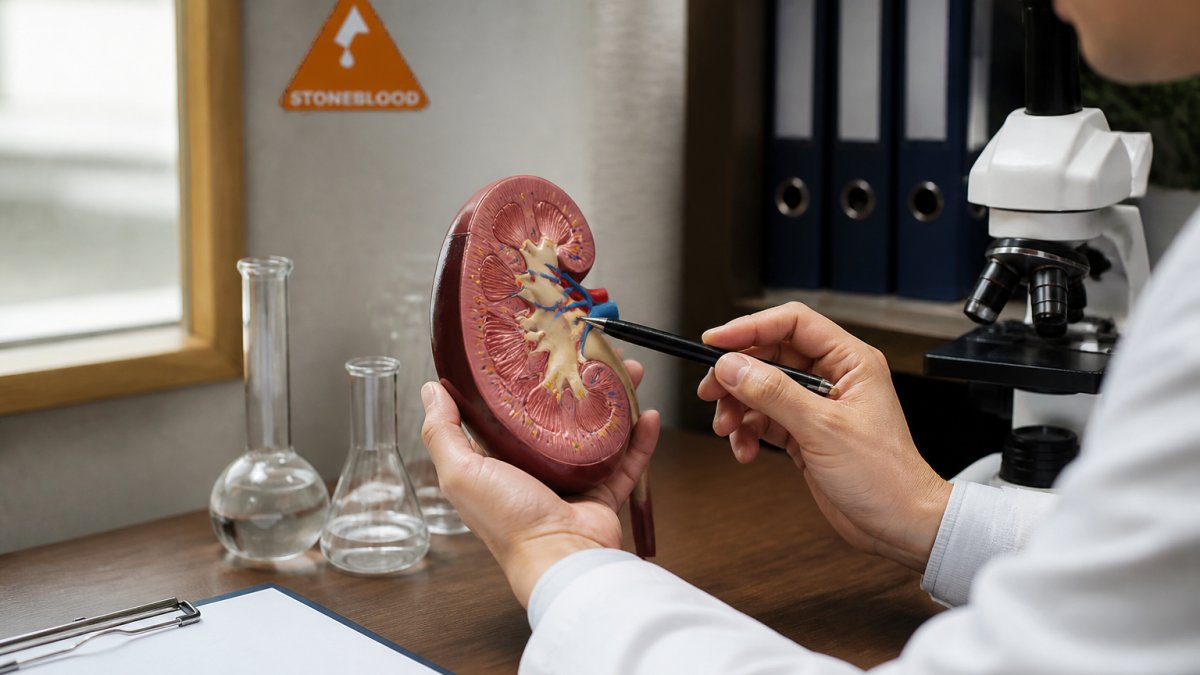
Here is the core problem. Shilajit is a mineral-rich substance that oozes from rock in mountain ranges, and it contains fulvic acid and humic acid along with a long list of trace minerals. Your kidneys filter everything you swallow.
Below, we break down the creatinine question, who should be cautious, and how to check quality before you buy.
Shilajit and Creatinine: Can It Affect Kidney Blood Tests?
Shilajit can plausibly shift a creatinine reading, though the effect is not well documented in humans. Creatinine is a waste product your muscles make, and your kidneys clear it. Anything that changes your fluid balance, your muscle mass, or your kidney filtration rate can move that number.
What Creatinine Measures and Why It Matters
Creatinine is a filtration marker. Your doctor uses it, along with your age and sex, to estimate how well your kidneys are filtering blood. A rise can mean reduced renal function. It can also mean you were dehydrated, you ate a lot of meat, or you trained hard the day before.
A National Kidney Foundation overview of creatinine testing explains that a single number rarely tells the whole story. Trends over time matter more.
How to Time a Test If You Take Shilajit
If you take shilajit and you have a kidney panel coming up, keep it simple:
- Tell your doctor you take it, and how much
- Do not stop or start anything right before the test without asking
- Stay normally hydrated, since dehydration skews results
- Ask for a repeat test if one number looks off
That last point matters. One abnormal reading is a data point, not a diagnosis.
Shilajit Kidney Safety: Who Should Be Cautious
Shilajit kidney safety comes down to three things: your baseline kidney function, the purity of the product, and whether a clinician is watching your numbers. People with healthy kidneys and no other conditions generally have the least to worry about.

Chronic Kidney Disease by Stage: A Practical Framework
Chronic kidney disease is staged by how much filtration you have left. The stages run from mild to severe, and the practical advice changes at each step.
| Stage | What It Means | Practical Position on Shilajit |
|---|---|---|
| Stage 1-2 | Mild or no measurable loss | Ask your doctor; monitor routinely |
| Stage 3 | Moderate loss | Get medical clearance first |
| Stage 4 | Severe loss | Avoid unless a clinician approves |
| Stage 5 | Kidney failure | Do not use without specialist guidance |
This is a general framework, not medical advice for your situation. Your nephrologist knows your labs.
Kidney Stones, Urinary Symptoms, and Fluid Retention
Kidney stones form from concentrated minerals in urine. Shilajit contains minerals, so the theoretical concern is real, though it has not been demonstrated in human studies of shilajit itself.
Watch for these and stop if they appear:
- Pain in your side or lower back
- Blood in your urine
- Burning when you urinate
- Swelling in your ankles or hands
- A sudden drop in how often you urinate
None of these are proof that shilajit caused anything. They are reasons to get checked.
Shilajit Quality and Purity: Why Sourcing Changes the Risk Profile
Shilajit quality and purity is where most of the real risk lives. Raw shilajit is a resin that seeps from rock, and the ground it comes from determines what else ends up in it.
A FDA guidance on dietary supplement current good manufacturing practice sets the baseline for how supplements should be made and tested. Not every seller meets it, and the gap between a compliant manufacturer and a hobby operation reselling bulk material is wide.
How to Actually Verify a Purity Claim
Most articles tell you to "look for third-party testing." That advice is useless without knowing what to check.
**1.
2. Check who did the testing. An in-house lab report is not independent testing. Look for a named outside laboratory.
**3.
4. Match the lot number on the report to the lot number on your bottle. This is the step almost everyone skips.
5. Look for a harvest origin statement. "Wildcrafted" without a region is a marketing word.
Why This Is the Part You Can Actually Control
You cannot control your baseline kidney function, and you cannot control how your body handles a mineral-rich substance. You can control what is in the bottle.
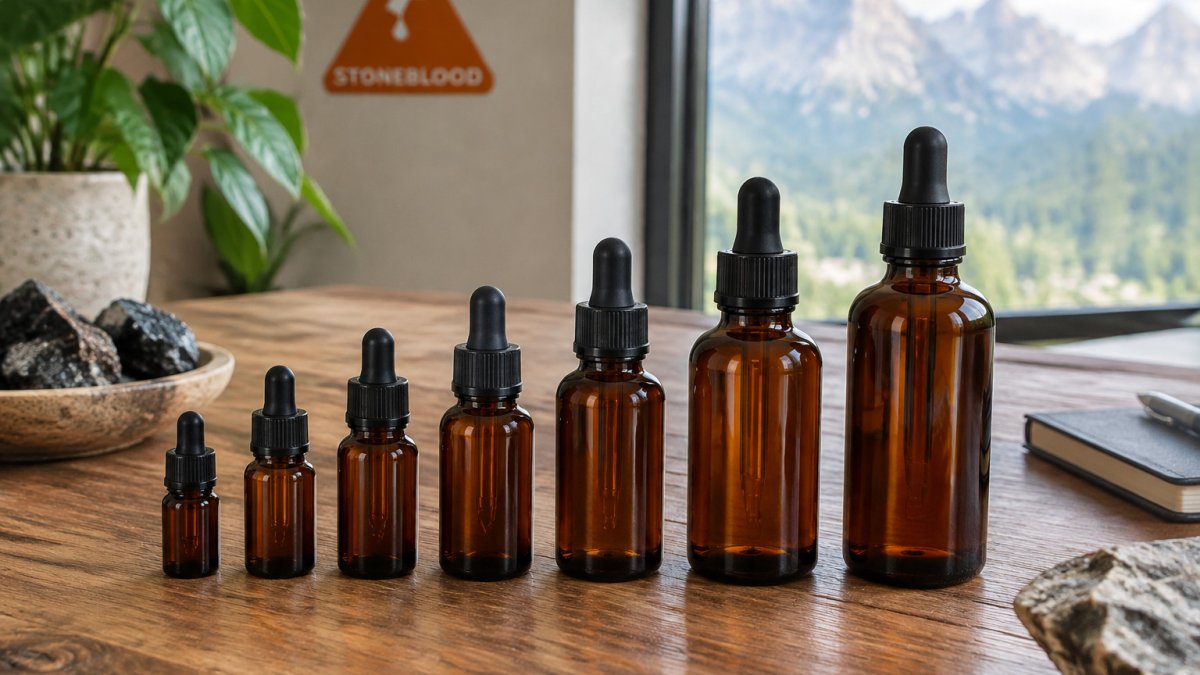
At Stoneblood Shilajit, our liquid shilajit drops are wildcrafted in North America and refined in Utah into a water-soluble liquid. Every batch is lot-coded and tested. You can read the details on our quality and safety page.
Shilajit Original — Stoneblood →

A Note on Form
Raw shilajit is a resin in nature. A liquid removes some of that guesswork because it is already dissolved and easy to measure by dropper. That is a convenience and consistency point, not a purity guarantee. Purity still comes down to testing, whichever form you choose.
Fulvic Acid, Humic Acid, and the Antioxidant Question
Fulvic acid and humic acid are the two compounds most often tied to shilajit's reputation, and they are not the same thing. Both are humic substances, a broad class of organic material formed as plant matter breaks down over long periods.
Here is where the honesty matters. Laboratory work has looked at markers like superoxide anion radicals and malondialdehyde, a compound used as a rough signal of lipid oxidation. Those studies were done in cell cultures and in animals.
How to Read an Antioxidant Claim Without Getting Fooled
Most of the confusion online comes from skipping the study design. A quick hierarchy helps:
- Cell and lab-dish studies show a mechanism is possible. They cannot show a health outcome.
- Animal studies show a mechanism can act in a living system. Species, dose, and duration often do not translate to people.
- Human observational studies show patterns, not cause and effect.
- Human controlled trials are the only design that can support a real claim, and they are scarce for shilajit and kidney outcomes.
What Fulvic Acid Does in a Traditional Framework
In Ayurveda, fulvic acid is described as a carrier or vehicle that helps move minerals and other compounds through the body. That is a traditional framing, not a clinical finding, and it is worth saying plainly. Traditional use is a reason a substance has been studied, not proof that the study panned out.
Why This Matters for the Kidney Question Specifically
Kidney tissue is unusually exposed to oxidative stress because it filters a large volume of blood and concentrates waste. That is the logic behind studying antioxidant compounds in kidney models.
So what should you take from this section? Fulvic and humic acid are real, studied compounds with plausible antioxidant activity. The evidence that this translates into kidney benefit in people is not there yet.
Pros and Cons of Taking Shilajit When You Care About Kidney Health
Weighing this honestly means putting both columns side by side.
Pros:
- Long history of traditional use in Ayurveda
- Contains fulvic acid and a broad range of trace minerals
- Liquid drops are easy to take daily and mix into drinks
- Third-party tested products let you verify what is in the bottle
Cons:

- Human evidence on kidney outcomes is thin
- Mineral content means a theoretical stone risk
- Contaminated products are a genuine hazard
- Anyone with existing kidney disease needs medical clearance first
Our view: if your kidneys are healthy and you choose a tested product, the risk looks low. If your kidney function is already reduced, this is a conversation for your doctor, not a blog.
A Decision Pathway: Starting, Pausing, or Stopping Shilajit
Use this pathway rather than guessing.
Start if:
- Your kidney function is normal on recent labs
- You have no history of stones or urinary disorders
- You have chosen a batch-tested product
- You follow the label directions, 1 dropper (about 10 to 15 drops) daily in water, coffee, tea or food, or under the tongue
Pause if:
- You develop any urinary symptoms
- A lab value changes and you do not know why
- You start a new medication and have not checked for interactions
Stop and call a doctor if:
- You have pain, blood in urine, or swelling
- You feel unwell in a way you cannot explain
For most readers, the sensible move is to start with one bottle, take it as directed, and mention it at your next checkup. Our Magic Brown Liquid Shilajit Drops (Double Strength) is the version most of our customers begin with, and the Shilajit Original Liquid Drops offer a gentler starting point.
Conclusion: An Honest Answer to a Complicated Question
The real challenge here is that kidney health is quiet. You often feel fine while your filtration markers drift.
At Stoneblood Shilajit, we make liquid shilajit drops that are wildcrafted in Utah, refined into a water-soluble liquid, and tested batch by batch.
These statements have not been evaluated by the Food and Drug Administration. This product is not intended to diagnose, treat, cure, or prevent any disease.
Frequently Asked Questions
Can shilajit affect creatinine test results?
There is no published human trial showing shilajit changes creatinine, so any effect is unconfirmed. Creatinine is a filtration marker, and it can shift with hydration, protein intake, and hard exercise in the days before a draw, which is why timing matters more than the supplement itself. If you take shilajit and your doctor orders kidney labs, mention it, and ask whether to pause before the test. A single reading rarely tells the full story, so repeat testing under the same conditions gives a clearer picture.
Is shilajit safe for people with kidney concerns?
That depends on your situation, and a healthcare professional should make the call. Shilajit kidney safety is mostly about product purity and about your baseline kidney function. Unpurified or contaminated material is the bigger worry, since heavy metals accumulate in kidney tissue over time. If you have reduced filtration, a history of stones, or take prescription medication, ask your clinician before starting. People with chronic kidney disease should treat any supplement as a decision to review with their care team first.
What should I look for to judge shilajit quality and purity?
Ask for batch-specific testing, not a generic certificate. Look for heavy metal screening by ICP-MS from an accredited lab, microbial results, and a lot number printed on the bottle that links to a report you can actually request. Sourcing matters too: a short, documented chain of custody reduces contamination risk. Stoneblood publishes third-party results and lot codes, and you can review the details on the quality and safety page rather than taking a label claim at face value.
Who should avoid taking shilajit?
Anyone with diagnosed kidney disease, a history of kidney stones, or a condition affecting how the body handles minerals should talk to their doctor first, since those situations change the risk calculus. The same applies if you take prescription medication or have a liver condition. Pregnant or nursing women and anyone managing a health condition should get professional guidance before starting any supplement. If you develop urinary symptoms, swelling, or unusual fatigue while taking it, stop and seek medical advice.
These statements have not been evaluated by the Food and Drug Administration. This product is not intended to diagnose, treat, cure, or prevent any disease. Consult a healthcare professional before starting any supplement, especially if you are pregnant, nursing, taking medication or managing a health condition.


Share:
What Is Shilajit Made Of? Composition Explained | 2026
Benefits of Shilajit for Ladies: What to Know