Last Updated: November 22, 2026
Quick Summary
To verify FDA supplement registration claims, first confirm that the named facility matches the company's legal name and address in the official FDA records. FDA facility registration only means a facility has provided information to the FDA; it does not mean the FDA has approved a dietary supplement.
- Registration is an administrative record, not a product endorsement or FDA approval.
- Compare the facility, product, and lot separately before trusting any registration claim.
- Quote the seller's exact wording and check whether it says facility registered or FDA approved.
- Ask for lot-specific records that match the batch number printed on your bottle.
- Treat a certificate or screenshot as a lead to verify, not final proof.
Table of Contents
- Why FDA Registration Is Not the Same as FDA Approval
- How Dietary Supplements Are Regulated in the United States
- Step-by-Step: Checking a Company's FDA Facility Registration
- How to Read a Supplement Label for Accuracy
- How to Check Supplement Claims Before You Buy
- What to Request: Lot-Specific Documentation from Your Manufacturer
- Your Next Step: Verifying the Bottle in Your Hand
- Frequently Asked Questions
Why FDA Registration Is Not the Same as FDA Approval
FDA facility registration means a facility has provided information to the FDA; it does not mean the FDA has approved a dietary supplement.
FDA facility registration is an administrative record, not a product endorsement. A product listing, a facility registration, and FDA approval are different things.
The FDA explains the difference in its dietary supplement overview. Read a seller's wording closely.
A common mistake is treating a registration certificate as proof that a bottle is safe or effective. It cannot establish that.
How Dietary Supplements Are Regulated in the United States
Dietary supplements are regulated as a category of food, and companies are responsible for ensuring their products meet applicable requirements (the FDA).
The FDA's dietary supplement regulation guidance describes the agency's role and the responsibilities of manufacturers and distributors. In practice, a registration claim answers a narrow question about a facility, not whether a product's label or claims are correct.
For a practical review, separate the evidence into three parts:
- Facility: Does the named site match the company's claim?
- Product: Does the label identify the item and its ingredients?
- Lot: Can the seller provide records tied to the bottle's batch?
This distinction matters because a legitimate facility record can still be used in a vague or misleading product claim.
Step-by-Step: Checking a Company's FDA Facility Registration
To check an FDA facility registration claim, identify the facility, use the official FDA resources that actually hold the record, and compare the result with the company's own documents.
Know Which FDA Record You Are Looking For
"FDA registration" is used loosely online, but the FDA maintains more than one kind of record, and each answers a different question:
- Food facility registration. Facilities that manufacture, process, pack, or hold food for consumption in the United States, a category that includes dietary supplement facilities, generally must register with the FDA (the FDA). This record identifies a facility and its location. It does not list products, and it is not an approval.
- Product listing. Some supplement firms also submit product listing information through the FDA's Unified Registration Listing System (FURLS). A listing ties a product label to a facility; it still does not mean the FDA reviewed or cleared the product.
- New dietary ingredient (NDI) notification. If a supplement contains a new dietary ingredient, the manufacturer or distributor may be required to submit a notification to the FDA before marketing (the FDA). The FDA publishes a list of NDI notifications it has received and filed. A filed notification is a procedural record, not an endorsement of the ingredient or the product.
Searching FDA Resources Yourself
Start with the company name and the facility address shown on the label or website, then work through the records in order.
- Write down the legal company name, the facility address, and any registration number the seller displays.
- Note the product name and the seller's exact registration claim, quote it word for word.
- Search the FDA's food facility registration resources using the facility details. Compare the legal entity name and address, not just a partial match.
- If the seller mentions a product listing, ask for the listing details and check them against the label.
- If the product contains a newer ingredient, search the FDA's NDI notification list for the ingredient name and the notifying firm.
- Search the FDA Warning Letter database for the company name and any parent company.
- Ask the seller to explain any mismatch, and save the reply with the bottle's batch number.
Watch out: a search that returns no result does not mean the product is approved or unapproved. Registration data can be incomplete, a facility may operate under a different legal name than the brand, and some records are not publicly searchable in full.
Authenticating a Registration Certificate or Screenshot
A certificate or screenshot is a lead, not final proof. Check whether it names the same legal entity and facility, whether the registration number and dates are legible, and whether the company can point you to the matching official FDA resource.
Ask for a source you can check yourself. A seller should be able to explain whether a document refers to a manufacturer, packer, or distributor, rather than presenting it as product approval.
How to Read a Supplement Label for Accuracy
A supplement label should let you identify the product, its maker or distributor, and its listed ingredients.
Check the label in a steady order:
- Match the product name to the seller's page.
- Find the ingredient list and serving directions.
- Note the manufacturer or distributor name and address.
Dietary supplement labeling requirements cover what appears on product labels, but a label can still leave questions about sourcing or test results. The FDA's labeling guidance for dietary supplements is a useful reference.
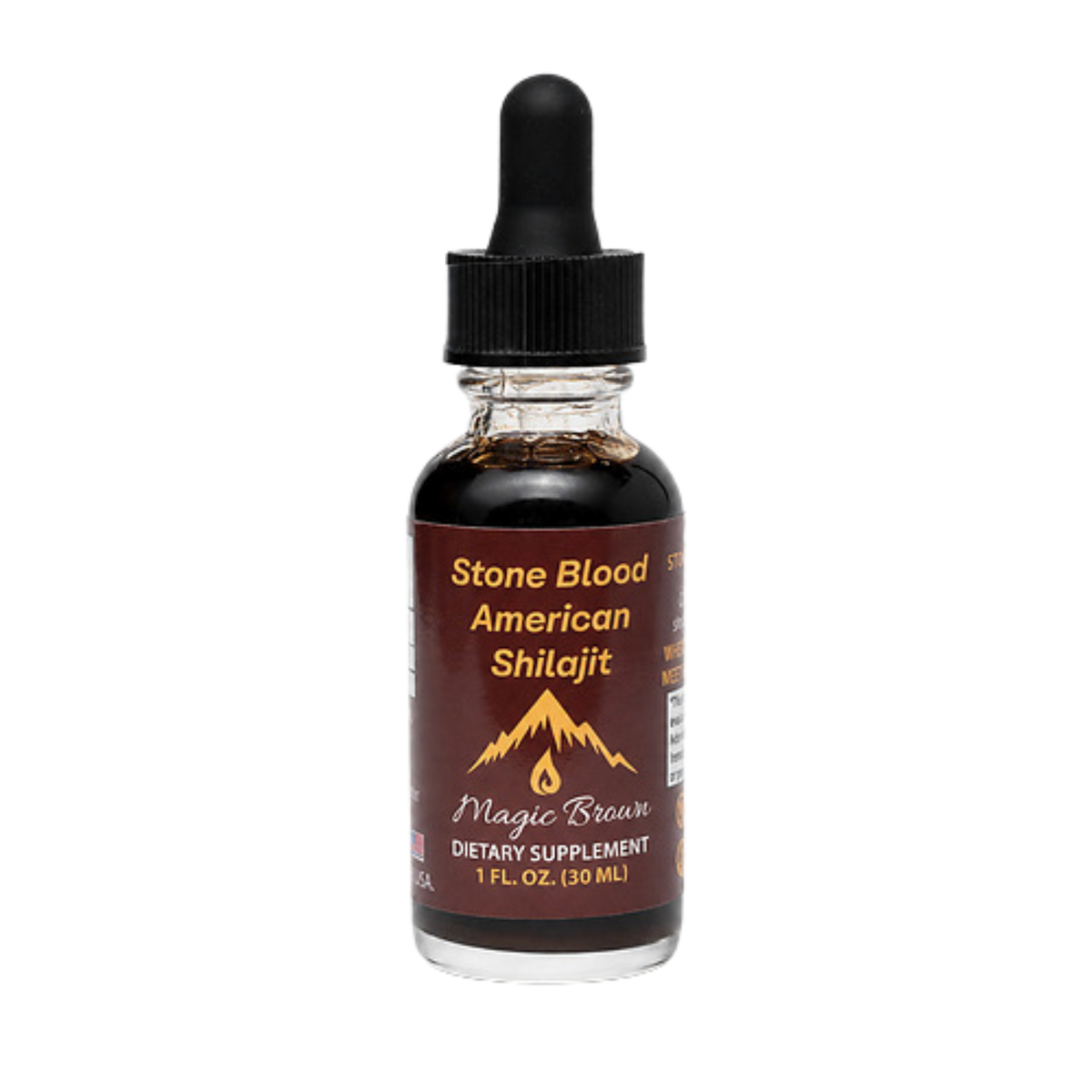
For Stoneblood Shilajit, the confirmed products are liquid drops in 30 mL bottles. The Magic Brown Liquid Shilajit Drops (Double Strength) and the Shilajit Original Liquid Drops each have their own directions on the label.
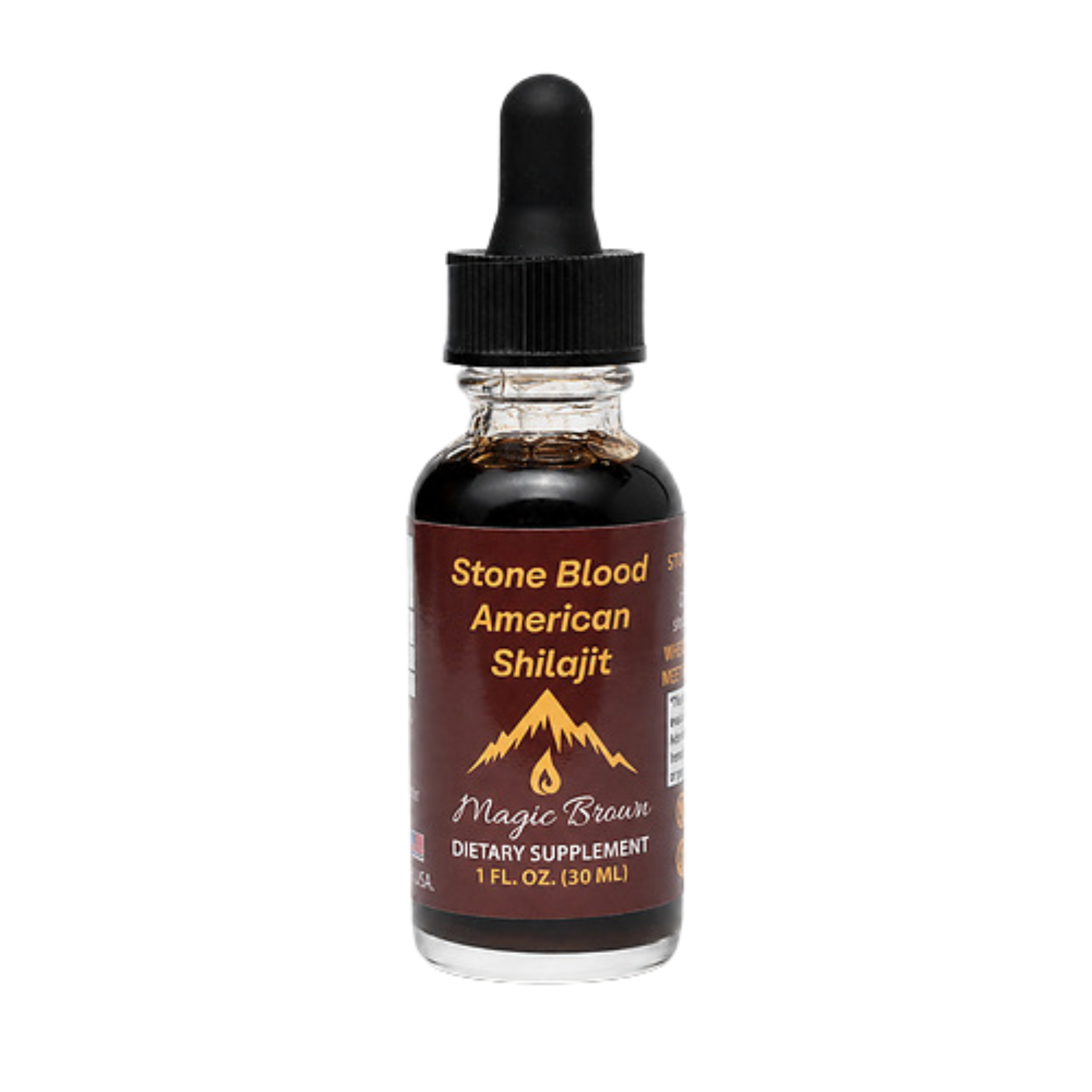
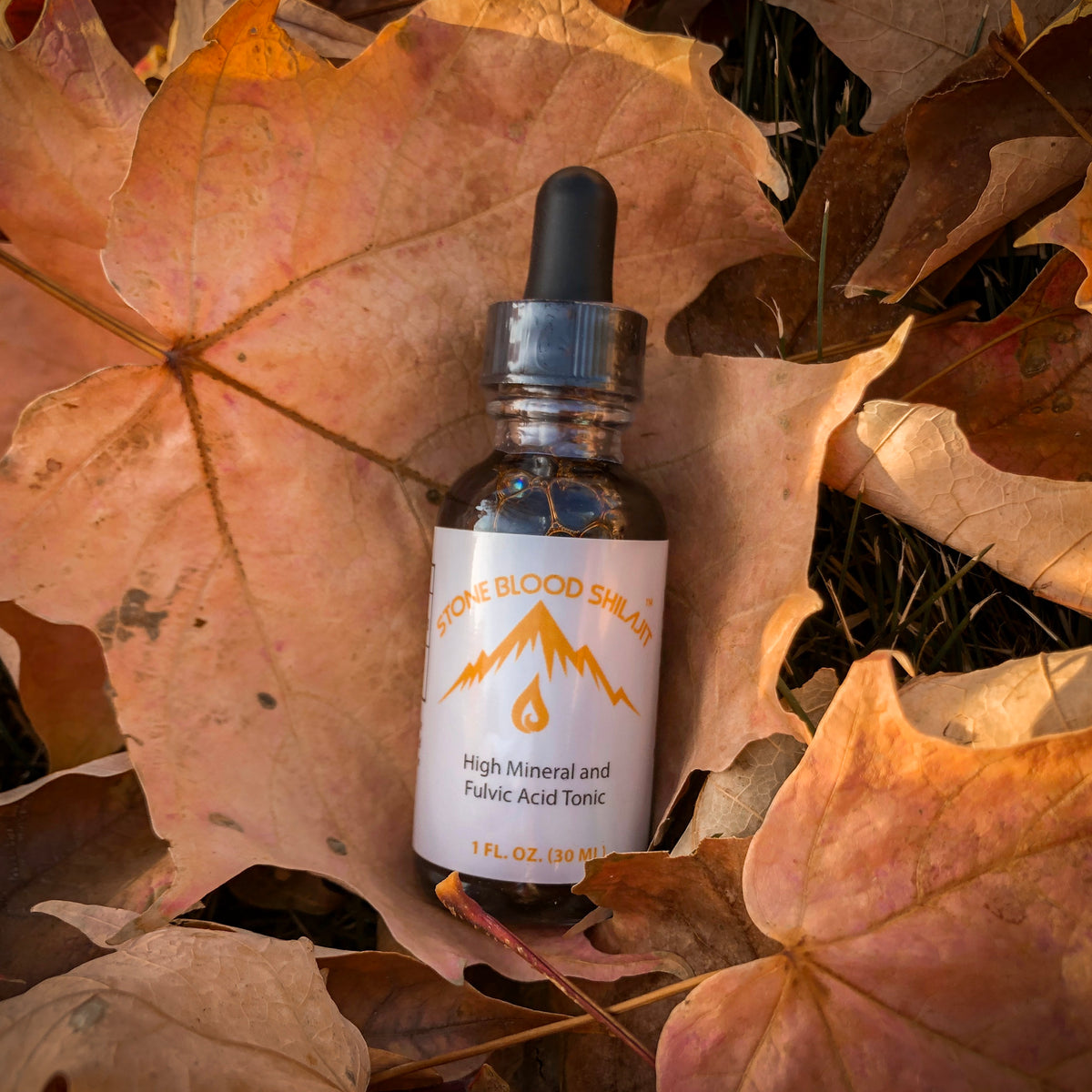
For a hands-on label review, see our authenticity label checks and guide to reading a batch number.
How to Check Supplement Claims Before You Buy
To check supplement claims before you buy, sort each statement into a claim about the facility, the product, or a specific lot, then ask for evidence that matches that claim. Broad words such as "pure" or "tested" are not enough to show what was checked. The stronger check is to compare the wording against what the FDA actually permits a supplement label to say.
Read the Claim Type Before the Claim Itself
Dietary supplement claims fall into recognizable categories, and each has different rules:
- Structure/function claims describe how a nutrient or ingredient affects the structure or function of the body, for example, wording about a normal body process. These claims do not require premarket FDA review, but the firm must be able to substantiate them and must include the standard disclaimer that the statement has not been evaluated by the FDA and that the product is not intended to diagnose, treat, cure, or prevent any disease.
- Health claims describe a relationship between a substance and a disease or health-related condition. These require the specific claim to be authorized by the FDA or supported by an authoritative statement, and they are held to a much higher standard.
- Disease claims, wording that a product treats, prevents, or cures a disease, are not permitted for dietary supplements. A label or website that makes one is a red flag about the seller's compliance, regardless of what any certificate says.
A common mistake is treating "third-party tested" as a complete answer. Ask which sample the test covered, which lab performed it, what the test measured, and whether the report identifies the same product or lot. Testing for identity, potency, contaminants, heavy metals, or microbial concerns can cover different questions.
Use a Claim-to-Evidence Screen
| Claim | Ask for | What it can show |
|---|---|---|
| Facility registered | Facility name and address, plus the FDA record | Which site is named |
| Ingredient identity | Product or lot record | What was checked |
| Third-party testing | Lab report and sample details | Tests listed in the report |
| Sourcing claim | Origin and chain details | What the seller documents |
| Structure/function claim | The substantiation the firm holds and the required disclaimer | Whether the wording is presented lawfully |
A clear answer should connect the claim to a record. Our sourcing transparency guide and seller checklist offer more questions to ask. Stoneblood describes its shilajit as North American and refined in Utah; readers can ask for documentation tied to the bottle's lot.
Know the Limits of What Any Record Proves
Dietary supplements are generally not approved by the FDA before they are marketed. The FDA's role is largely post-market: it can act when a product is unsafe or misbranded, and it maintains notification and registration systems, but a registration, listing, or NDI filing is not a safety finding.
Watch out: if a seller responds to a documentation request with a certificate that has no lot number, no issuing laboratory, or no way to match it to your bottle, that is a signal to slow down rather than a reason to trust the claim more.
Escalate When the Answer Does Not Hold Up
If a claim remains unverified after you have asked for the facility record, the label details, and the lot documentation, you have options that do not require a purchase:
- Ask the company, in writing, which specific record supports the claim and who issued it.
- Check the FDA Warning Letter database and the FDA's press releases for the company name.
- Report a suspected false or misleading claim to the FDA through its consumer complaint channel.
Keeping your notes, screenshots, and the seller's replies together gives you a clear record if you later need to follow up.
What to Request: Lot-Specific Documentation from Your Manufacturer
Lot-specific documentation should identify the product and batch it covers, name the lab or source of the record, and state what was checked.
Ask the manufacturer or distributor for:
- A Certificate of Analysis, if available, for your exact lot.
- The report date and sample or batch identifier.
- The name of the independent laboratory, if testing was external.
A COA is only as useful as its scope. It does not establish that every possible contaminant was tested, or that the FDA approved the product.
Stoneblood invites customers to request documentation for their bottle's lot. Our lot-specific document request guide explains what details to include.
Your Next Step: Verifying the Bottle in Your Hand
The best way to check a supplement is to match the bottle, company, facility claim, and lot record rather than relying on an FDA badge.
For Stoneblood Shilajit, start with the product name and the lot number on your bottle, then request the relevant documentation from the company.
These statements have not been evaluated by the Food and Drug Administration. This product is not intended to diagnose, treat, cure, or prevent any disease.
Frequently Asked Questions
Are any dietary supplements approved by the FDA?
Generally, dietary supplements are not approved by the FDA before they are sold. Manufacturers and distributors of dietary supplements are responsible for ensuring their products are safe and that label claims are truthful and not misleading. Facility registration and product listing are required administrative steps, but neither one means the FDA has reviewed and approved the product's safety or effectiveness. The FDA can take action against products it finds to be adulterated or misbranded after they reach the market. When checking a product, look for specific documentation from the company rather than relying on the word approved.
Does FDA facility registration mean a supplement is FDA approved?
No. FDA facility registration means a food facility, including many supplement manufacturers, has submitted required information to the agency. It is an administrative requirement and does not evaluate the product. A registration number on a website or label confirms only that a registration exists, not that the product is approved. To verify a claim, ask the company which facility made the product, then check that facility's listing through official FDA resources and compare the information with the claim you were given.
What should I ask a company that claims its supplement is FDA registered?
Ask for the exact facility name and address, the registration number, and the lot or batch number of the bottle you are considering. Ask whether the product is listed with the FDA and request a copy of the certificate of analysis for that specific lot. Check that the label identifies the product, its net quantity, and its ingredients. If answers are vague or documentation cannot be produced for a specific lot, treat the claim with caution.
Can I search an FDA database to confirm a supplement is registered?
You can search official FDA resources for facility registration information, but results depend on what the company has submitted and how it is listed. Enter the facility name exactly as the company provides it, and compare the address with the one on the product label and the company's website. If you cannot find a match, do not assume the product is unregistered or fraudulent. Instead, contact the manufacturer and request written confirmation of its facility details for the lot you plan to use.


Share:
7 Steps to Add Shilajit Drops to Tea Without Losing Taste
Fulvic Acid and Immune Support: What the Evidence Shows